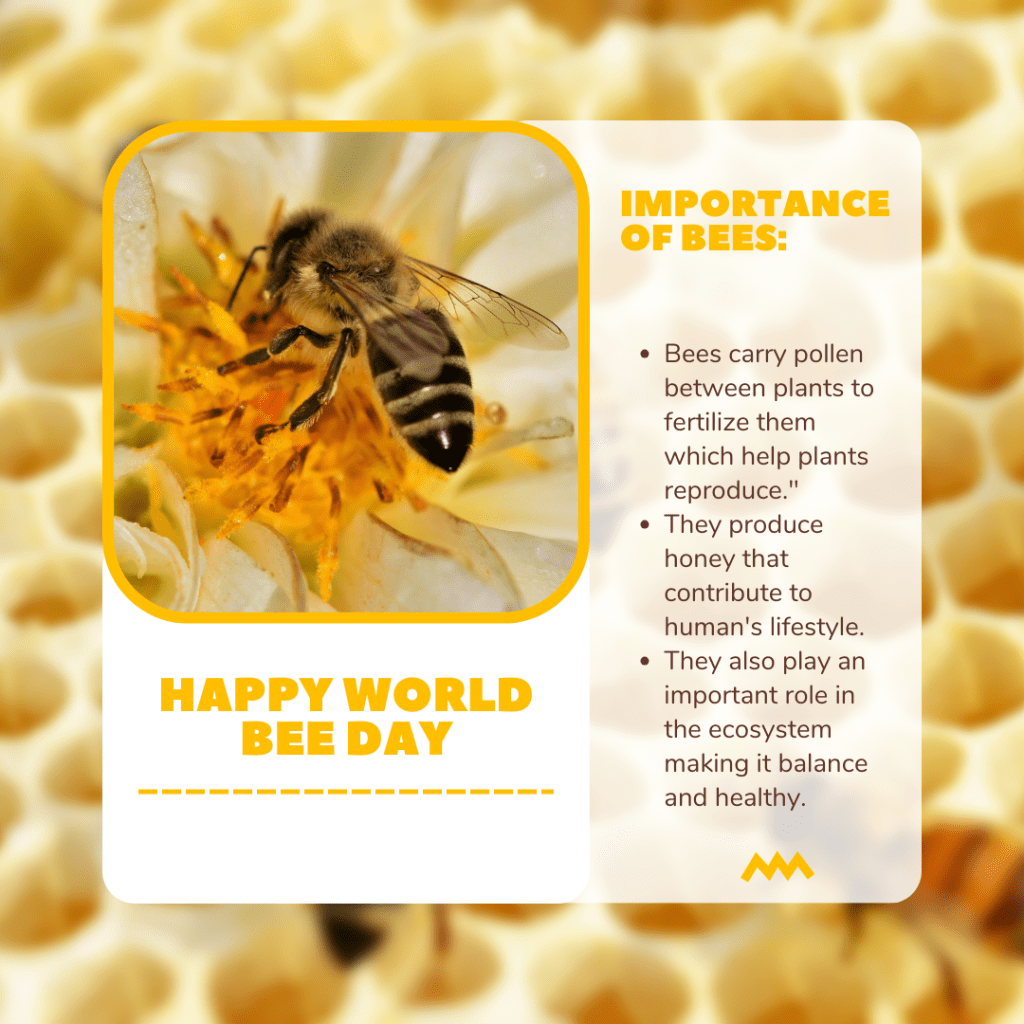
In the modern era each creature plays a very important function, contributing to the stability and health of our ecosystems. Bees are excellent pollinators and they contribute to the bio-diversity by pollinating a wide range of plants.
Pollinators Par Excellence
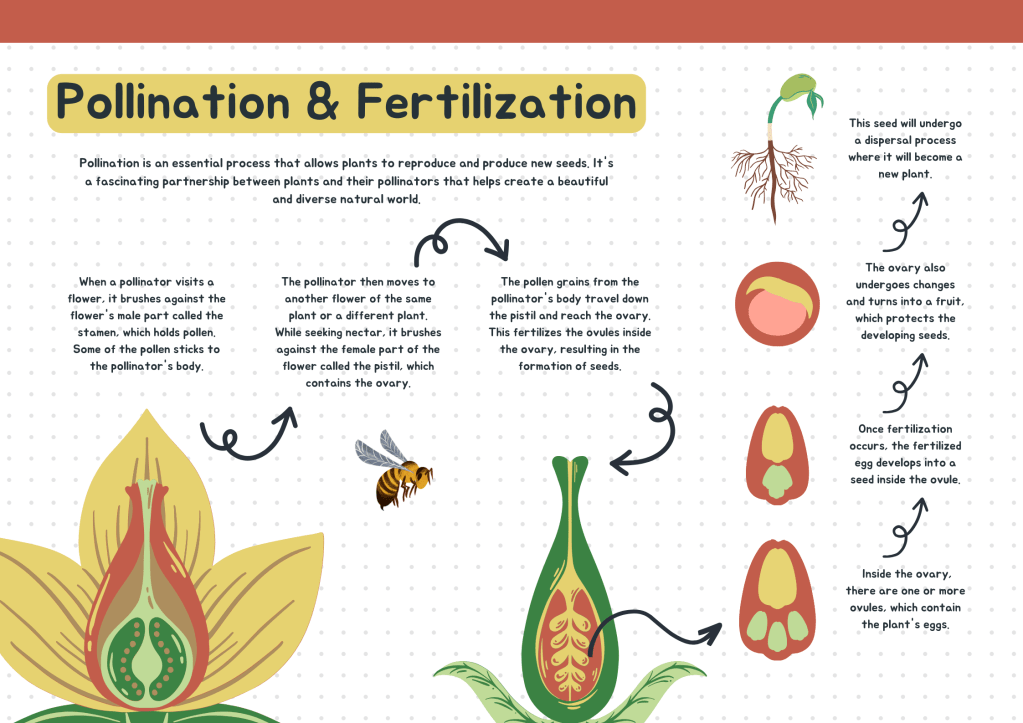
Bees are grasp pollinators. As they pass from flower to flower in search of nectar, they transfer pollen grains, facilitating the reproductive system of flowers. This apparently easy act is huge in its ecological effect. Approximately 75% of the world flowering plants and about 35% of worldwide agricultural land depend upon animal pollinators, with bees being the maximum extensive among them. Their work guarantees the manufacturing of a tremendous array of end result, nuts, and seeds, crucial no longer best for human consumption however additionally for wildlife, assisting the diets of limitless species.
Biodiversity Champions
The variety of bee species itself is astonishing, with over 20,000 recognised species globally, each adapted to the precise needs of the flora they pollinate. This variety ensures a extensive range of plant species are pollinated, contributing to wealthy and varied ecosystems. From the towering trees to the smallest of wildflowers, bees play a role within the survival of a myriad of plant species, underpinning the biodiversity this is vital for resilient and functional ecosystems.
Ecosystem Services and Economic Impact
The contribution of bees extends past ecological advantages, translating into significant economic fee. The global economic price of pollination offerings furnished with the aid of bugs, predominantly bees, is envisioned within the hundreds of billions yearly. These offerings are vital for the rural quarter, supporting the manufacturing of crops that feed the global populace and make contributions to economies international.
Facing Threats
Despite their beneficial role, bee populations are going through unparalleled threats. Habitat loss, pesticide use, weather trade, and illnesses are decimating bee colonies, posing a serious danger to global biodiversity, meals safety, and economies. The decline of bees is a stark reminder of our interconnectedness with nature and the impacts of our moves on the surroundings.
The Path Forward
Protecting bees and ensuring their fitness is not pretty much holding a unmarried species but about retaining the fitness of our entire planet. Sustainable farming practices, decreasing pesticide use, planting bee-friendly gardens, and assisting nearby beekeepers are steps everyone can take to assist bee populations thrive. Moreover, raising consciousness and advocating for rules that guard bees and their habitats are vital for his or her survival and, by extension, ours.
In Conclusion
The vital role of bees in our ecosystems is plain. They are not handiest key gamers in preserving biodiversity and supporting food production but additionally serve as indicators of the health of our surroundings. As we try for sustainability and ecological balance, recognizing and supporting the position of bees is imperative. Their buzz is a call to movement, a reminder of the delicate interdependencies in nature, and a set off to ensure that bees maintain to thrive for generations to come.
In embracing the significance of bees, we recognize the profound impact these tiny the profound impact these tiny pollinators have on our world. It’s a testament to the fact that each creature, irrespective of how small, plays a critical role in the tapestry of existence. Ensuring the fitness and survival of bees isn’t always just an act of environmental conservation; it’s an investment in our future.

 iReflect
Leave a comment